
April 20, 2026
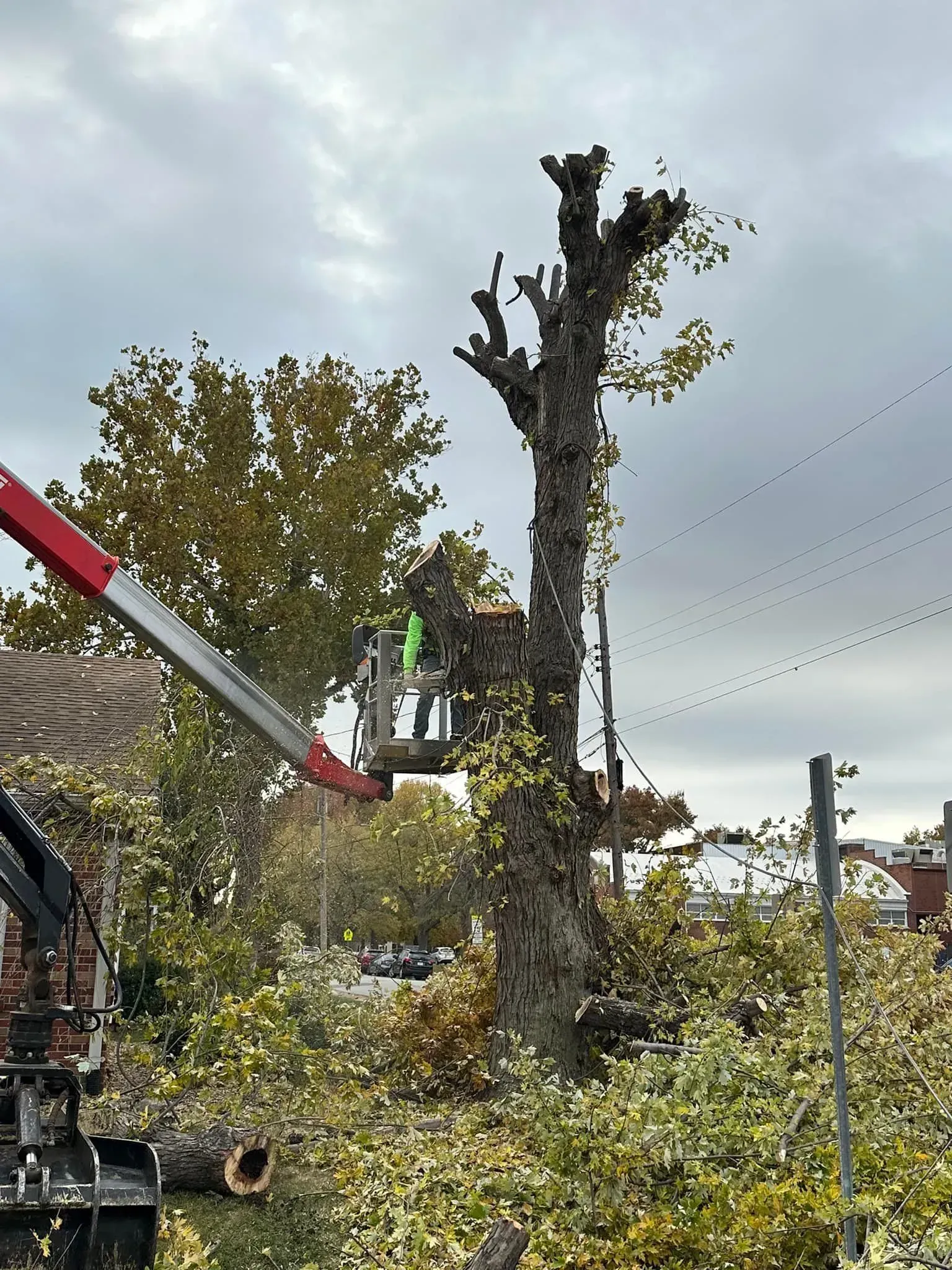
A well-maintained landscape does more than make a property look appealing; it actively contributes to its overall value. Among the many aspects of outdoor care, tree trimming plays a particularly important role in shaping both aesthetics and long-term functionality. When performed with intention, this practice can improve safety, encourage healthier growth, and elevate curb appeal in ways that directly influence how a property is perceived. Whether you are preparing to sell or simply want to invest in your home’s future, understanding how thoughtful maintenance impacts value is essential.
Enhancing Visual Appeal Through Intentional Care
A tidy and balanced landscape is one of the first things people notice when approaching a property. Overgrown branches, uneven canopies, and unkempt trees can make even a well-kept home appear neglected. By contrast, carefully maintained trees create a sense of harmony and organization, contributing to a polished and inviting exterior. Strategic tree trimming helps shape trees in a way that complements the architecture of the home and highlights its best features.
Beyond general neatness, visual balance plays a significant role in how a property is perceived. Trees that are pruned to maintain symmetry and proportion can frame a home beautifully, drawing attention to entryways, walkways, and outdoor living spaces. This attention to detail can leave a lasting impression on visitors and potential buyers, subtly signaling that the entire property has been well cared for over time.
Promoting Healthy Growth for Long-Term Value
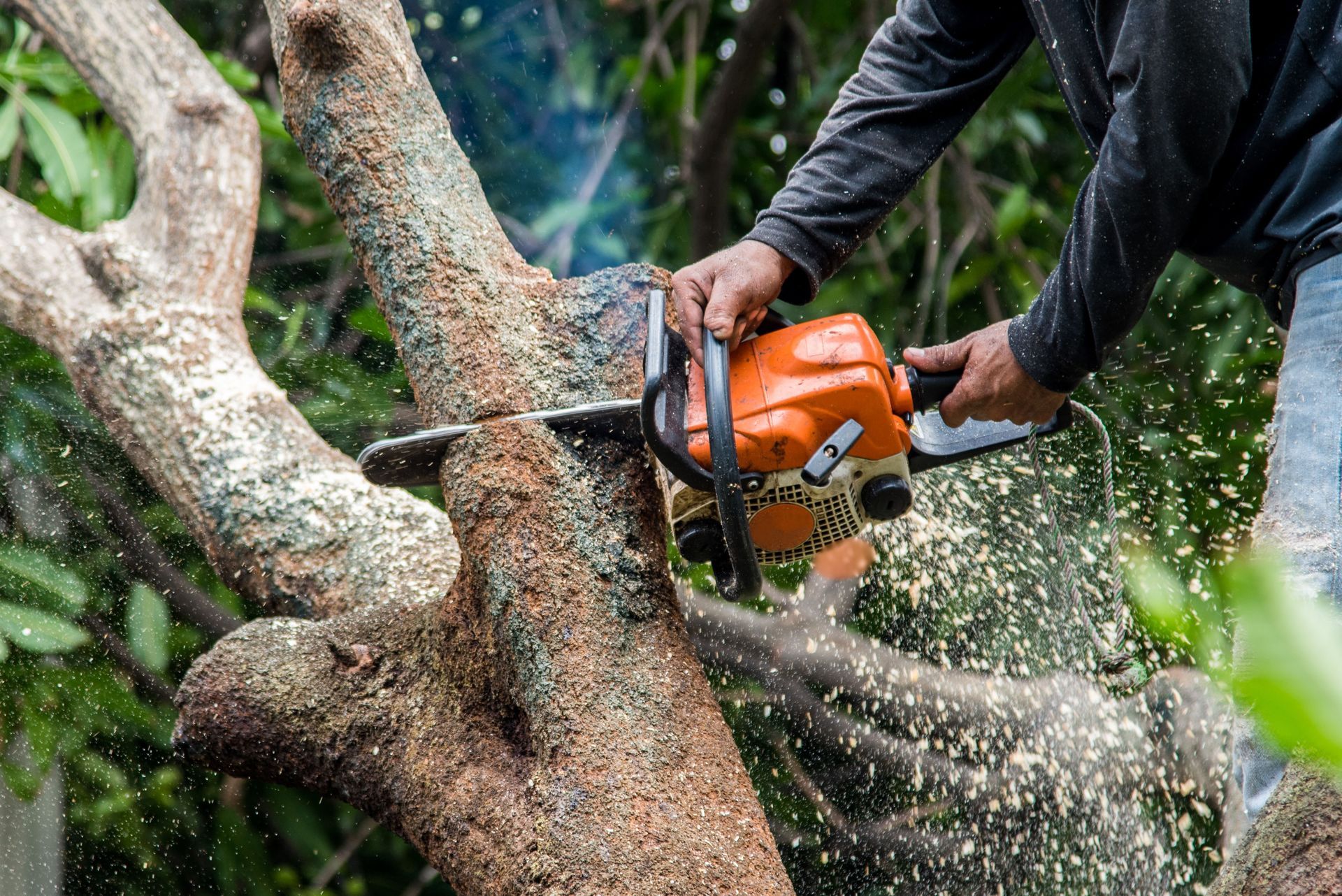
Healthy trees are a valuable asset, while neglected ones can quickly become liabilities. Removing dead, diseased, or overcrowded branches allows trees to direct nutrients where they are needed most. This process encourages stronger growth and reduces the likelihood of decay spreading throughout the structure of the tree. Strategic tree trimming ensures that trees remain vibrant and resilient, enhancing the longevity of your landscape investment.
Understanding tree size classifications can also guide maintenance decisions. According to Lawn Love, a tree is considered small when it stands under 30 feet tall and tall when it reaches 60 feet or higher. Recognizing these distinctions helps property owners determine appropriate care methods and frequency. Properly maintained trees, regardless of size, are more likely to thrive and continue contributing positively to property value over time.
Improving Safety and Reducing Liability Risks
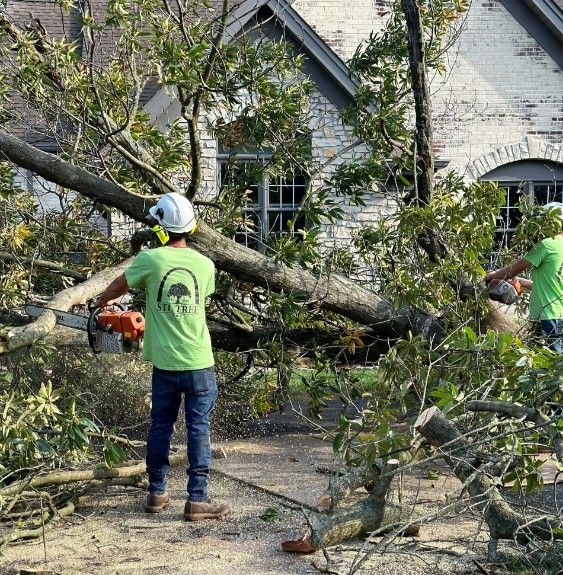
Safety is a critical factor that directly impacts property value, especially when it comes to outdoor spaces. Overgrown or weakened branches can pose a serious hazard, particularly during storms or high winds. Falling limbs have the potential to damage structures, vehicles, or even cause injury. Regular tree trimming minimizes these risks by removing unstable branches before they become a problem.
In addition to preventing accidents, maintaining safe trees can also reduce potential liability concerns. Properties that demonstrate proactive care are less likely to encounter costly issues related to damage or insurance claims. By prioritizing safety through consistent maintenance, homeowners can protect both their investment and the people who interact with their property.
Maximizing Sunlight and Supporting Landscape Health
Sunlight plays a vital role in the overall health of a property’s landscape. When tree canopies become too dense, they can block light from reaching grass, shrubs, and other plants below. This can lead to uneven growth, patchy lawns, and struggling garden beds. Thoughtful tree trimming opens up the canopy, allowing sunlight to filter through and support a more balanced ecosystem.
Improved light distribution not only benefits plant health but also enhances the usability of outdoor spaces. Brighter yards feel more welcoming and functional, making them ideal for recreation or relaxation. This added usability can make a property more appealing to potential buyers, who often look for outdoor areas that are both attractive and practical.
Boosting Property Perception and Marketability
First impressions carry significant weight in real estate, and landscaping is a key component of that initial impact. A property with well-maintained trees immediately communicates care, attention, and pride of ownership. Strategic tree trimming contributes to a clean and organized appearance that can make a home stand out in a competitive market.
In addition to visual appeal, buyers often associate maintained landscapes with lower future maintenance costs. When trees appear healthy and properly managed, it reduces concerns about potential issues down the line. This perception can increase buyer confidence and make a property more desirable, ultimately supporting a higher valuation.
Preventing Structural Damage and Costly Repairs
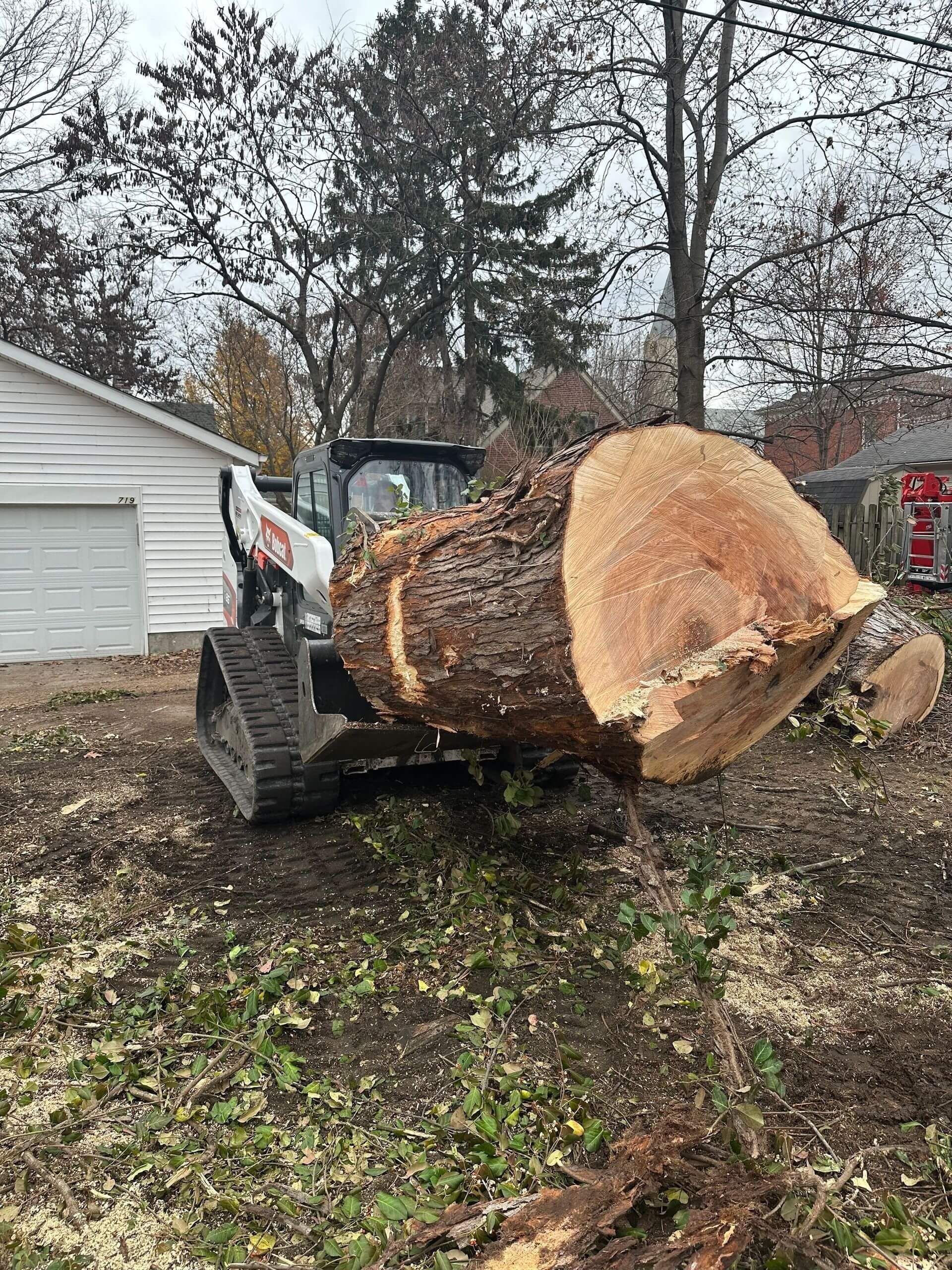
Trees that grow too close to a home or other structures can cause significant problems if left unchecked. Branches may scrape against roofs, siding, or windows, leading to gradual wear and damage. In some cases, roots can also interfere with foundations or underground systems. Regular trimming helps control growth patterns and keeps trees at a safe distance from structures.
By addressing potential issues early, homeowners can avoid expensive repairs in the future. Preventive care is often far more cost-effective than dealing with damage after it occurs. Maintaining appropriate spacing and structure not only protects the home itself but also preserves the overall integrity of the property.
Encouraging Energy Efficiency Through Smart Landscaping
Strategically maintained trees can contribute to a property’s energy efficiency in subtle yet meaningful ways. Properly positioned and trimmed trees provide shade during warmer months, helping to reduce indoor temperatures and lower cooling costs. At the same time, allowing more sunlight to reach the home during colder months can improve natural heating.
Trimming plays a key role in achieving this balance. By managing canopy density and direction, homeowners can optimize how trees interact with sunlight throughout the year. This thoughtful approach to landscaping can lead to long-term savings while also enhancing the comfort of the living environment.
Supporting Environmental Benefits That Add Value
A well-maintained landscape does not just benefit the property owner; it also contributes positively to the surrounding environment. Healthy trees improve air quality, support local wildlife, and help regulate temperature. Strategic trimming ensures that trees remain strong and capable of providing these benefits without becoming overgrown or hazardous.
Environmental considerations are increasingly important to modern buyers. Properties that demonstrate sustainable practices and thoughtful landscaping often appeal to those who value eco-friendly living. By maintaining trees in a responsible way, homeowners can align their property with these priorities, adding another layer of value.
Increasing Usable Space and Outdoor Functionality
Outdoor spaces are an extension of the home, and their usability can significantly influence property value. Overgrown trees can limit how these areas are used, making yards feel cramped or inaccessible. By creating more open and functional spaces, trimming enhances the overall layout of the property.
Cleared and well-maintained areas can be used for entertaining, gardening, or recreation. This added versatility makes the property more attractive to a wider range of potential buyers. When outdoor spaces are easy to navigate and enjoy, they become a key selling point rather than an overlooked feature.
Maintaining Consistency in Property Upkeep
Consistency is a hallmark of a well-maintained property. Regular care ensures that all elements of the landscape remain in harmony, preventing any one aspect from becoming overgrown or neglected. Trimming is an essential part of this ongoing maintenance routine, helping to preserve the overall appearance and health of the property.
A consistent approach to upkeep also simplifies future maintenance efforts. When trees are managed regularly, they require less drastic intervention over time. This steady level of care not only supports property value but also makes maintenance more manageable and predictable for homeowners.
Strategic care of your landscape can have a profound impact on how your property is perceived and valued. From improving visual appeal to enhancing safety and supporting long-term growth, the benefits of thoughtful maintenance are wide-ranging. Trimming, when approached with intention, becomes more than a routine task; it becomes an investment in the future of your property.
By focusing on health, safety, and aesthetics, homeowners can create a landscape that stands out for all the right reasons. Over time, these efforts contribute to a stronger, more appealing property that attracts attention and retains its value. With the right approach, even small improvements can lead to meaningful results, making strategic maintenance an essential part of property ownership. If you are seeking a reliable tree trimming company in the St. Louis & Saint Charles County, MO areas, contact the professionals at STL Tree Services today.