Tree removal is a significant task that requires careful planning and consideration. Whether you are dealing with a dead tree that poses a safety risk or simply clearing space for new landscaping, understanding the factors that influence tree removal costs can help you budget effectively. Homeowners should be aware of the various elements that contribute to the overall expense to make informed decisions about their property maintenance. When hiring a local tree removal company, it’s important to understand these key factors to ensure you're getting an accurate estimate.
1. Tree Size
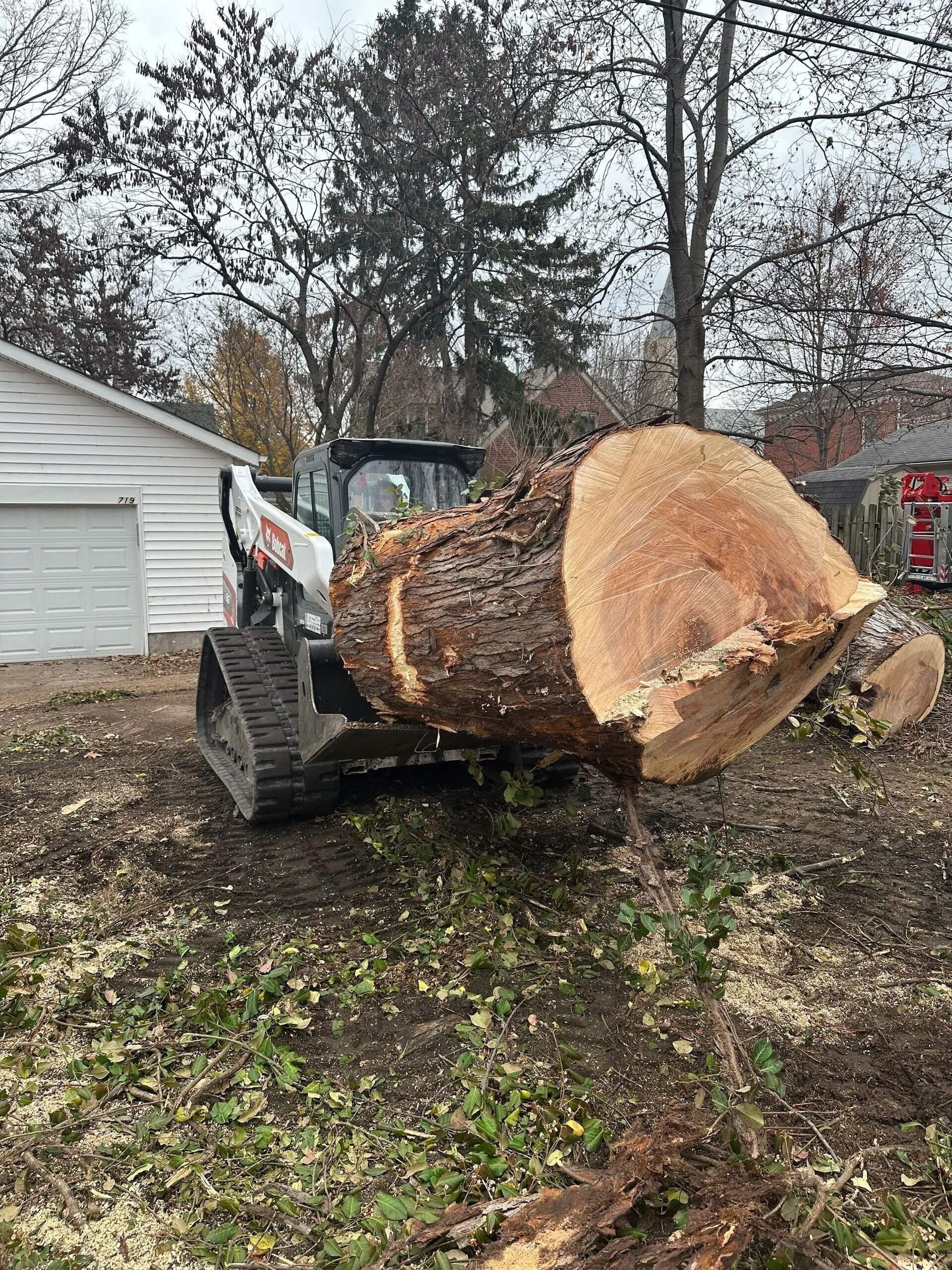
One of the primary factors affecting tree removal costs is the size of the tree. Larger trees require more resources, including manpower and equipment, which naturally drives up the cost. According to This Old House, tree size is the biggest factor in removal costs, with trees over 30 feet tall costing more due to the need for specialized equipment, higher risk, and greater material waste. This reflects the complexity and effort involved in safely removing substantial trees versus smaller ones. A local tree removal company will assess the size of the tree to provide you with a more accurate estimate for the removal process.
2. Location of the Tree
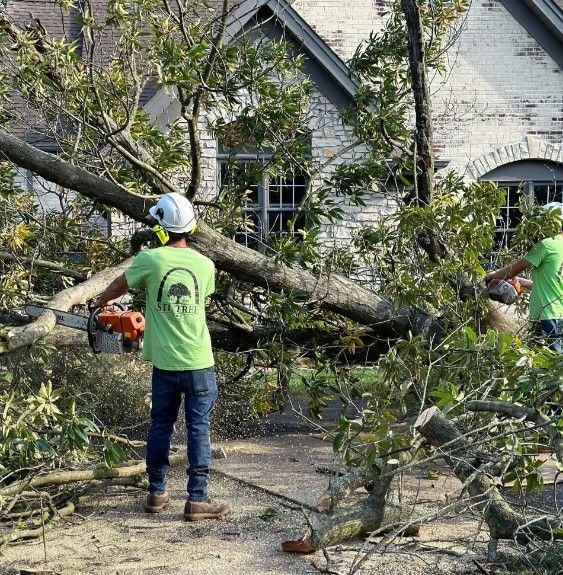
The location of the tree is another crucial factor influencing removal costs. Trees situated near power lines, buildings, or other structures may require additional precautions and specialized techniques to remove safely. The presence of obstacles can complicate the removal process, thereby increasing the time and effort required and, consequently, the cost. In some cases, cranes or other special equipment may be necessary to safely dismantle the tree, further adding to the expense. A local tree removal company will consider these factors when calculating your quote for the job.
3. Condition of the Tree
Additionally, the condition of the tree plays a significant role in determining removal costs. Trees that are healthy or only slightly decayed may be easier and less costly to remove than those that are severely damaged or diseased. Hazardous trees that are structurally compromised or pose a risk of falling require careful handling to ensure safety, often leading to higher costs. The urgency of removal can also affect pricing, with emergency removals typically incurring extra charges.
Several factors contribute to the overall cost of tree removal, including the size, location, and condition of the tree. By understanding these elements, homeowners can better anticipate the potential expenses associated with tree removal and budget accordingly. Whether for safety, aesthetics, or property development, being informed about the cost dynamics can lead to more effective and economical decision-making. When hiring a
local tree removal company, it's important to consider all these aspects to get an accurate and fair price for your tree removal needs. Call STL Tree Service today to learn more.