
April 28, 2026
Homeownership comes with a myriad of responsibilities, like understanding insurance coverage. Among the many concerns that a homeowner must consider is whether their home insurance covers the costs associated with a tree removal service. The importance of this coverage cannot be understated, as the financial impact of a tree removal service, especially in cases of storm damage, can be significant and unexpected.
Navigating insurance policies can be a daunting task, made even more complex by the legal jargon and small print. However, taking the time to decipher these details can save homeowners from costly surprises in the event of a tree-related incident. This article will guide you through understanding the essentials of home insurance coverage regarding a tree removal service.
Basic Home Insurance Coverage
Understand Home Insurance
Overall, home insurance, also known as homeowners' insurance, is a form of property insurance that protects against unexpected damages to a home and its contents. It typically covers various incidents such as fires, theft, and certain types of weather-related damage. The fundamental aim of home insurance is to provide financial protection for both the physical structure and the homeowner's possessions.
Review Included Coverage Types
The standard home insurance policy typically includes several key components of coverage. Dwelling coverage protects the physical structure of the home, whereas personal property insurance covers the homeowner's belongings. Other standard elements often include liability protection and additional living expenses coverage, which can be vital if a homeowner is temporarily displaced.
In many cases, the policy may also cover other structures on the property, such as garages and sheds. This coverage extends to damages caused by certain perils, ensuring that homeowners are not left bearing the entire financial burden alone. Importantly, coverage for a tree removal service is often intertwined with specific scenarios, particularly those involving damage to insured structures.
Recognize Common Exclusions
All in all, common exclusions present in home insurance policies can often catch homeowners by surprise when they go to file a claim. For instance, damage resulting from neglect or poor maintenance is typically not covered. This underscores the importance of regular property upkeep to mitigate potential risks.
Additionally, many policies exclude damages caused by certain natural disasters, such as floods or earthquakes, unless specific coverage is added. Homeowners residing in areas prone to these events may need to procure additional policies to ensure full protection. These exclusions are integral for homeowners to understand, as overlooking them can lead to significant out-of-pocket expenses.
Review Steps to Determine Coverage
The first step in determining whether a home insurance policy covers a tree removal service is to review the policy declarations page. This section outlines the major coverage options, policy limits, and any additional endorsements or exclusions. Understanding these elements will provide an initial framework for assessing potential coverage in situations involving tree damage.
Common Covered Tree Removal Scenarios
Assess Storm Damage
Overall, storm damage is one of the most common reasons for a tree removal service that is covered under standard homeowners' insurance. When heavy winds or storms cause trees to fall on insured structures, the policy typically covers both the damage repair and the removal process. The goal is to restore the home to its former condition efficiently.
However, if a tree falls but does not damage a structure, insurers may not cover its removal. In these instances, policyholders should refer to their specific coverage terms to understand any potential financial responsibilities they may incur. Consulting with an insurance representative can clarify these scenarios before encountering them firsthand.
Handle Trees on Structures
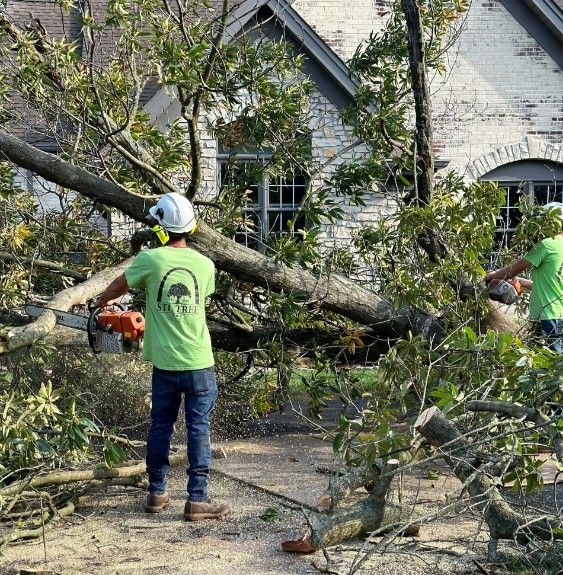
Trees that fall onto insured structures, such as homes and garages, typically necessitate immediate attention due to potential safety hazards and further property damage. When such incidents occur, homeowners should quickly assess the damage and notify their insurance provider. Standard insurance policies generally cover the removal process and the associated repair costs.
The coverage for a tree removal service in these scenarios often includes not only the cost of physically removing the tree but also repairing any structural damage inflicted. Homeowners may need to obtain approval from their insurer before proceeding with costly services. The insurance company will often send an adjuster to assess the damage as part of the claims process.
Address Blocked Access Points
Insurance coverage typically extends to situations where a fallen tree blocks a homeowner's driveway or other critical access points to the home. This coverage is especially relevant in cases where the blockage impedes the functionality or safety of the residence. Ultimately, the provisioning of such coverage depends on the particulars of one's insurance policy.
In these instances, homeowners should document the blockage immediately and contact their insurer to initiate a claim. Evidence, including photographs and a detailed description of the scenario, can support the claim and expedite the processing time. Clarity in communication with the insurance provider plays a vital role in ensuring claims are approved smoothly.
Manage Debris Removal
All in all, debris removal coverage is often included in standard homeowners' insurance policies, aiding homeowners in clearing branches, foliage, and other materials resulting from a fallen tree on an insured structure. Such coverage is usually tied to tree removal incidents, ensuring that homeowners are not left dealing with substantial debris cleaning costs. According to Bankrate, insurance companies paid an average of $4,110 for settled tree claims, with 7% caused by fallen trees.
The cost of debris removal can quickly escalate depending on the magnitude of the incident and the materials involved. Homeowners should ensure that they understand the specifics of their coverage, including any limits or deductibles tied to debris removal. Insurers might cap the coverage at a percentage of the total policy limit or set a fixed maximum payout.
Common Uncovered Tree Removal Scenarios
Identify Normal Wear and Tear
One of the primary scenarios under which a tree removal service may not be covered is when damage or tree fall results from normal wear and tear. Insurers typically regard the gradual deterioration of trees as a homeowner's responsibility, cautioning policyholders to maintain their property adequately. Trees that undergo natural aging and eventually fall without the influence of a covered peril are unlikely to be eligible for insurance compensation.
Consider Preventive Removal
Tree removal under preventive measures often falls outside the scope of standard home insurance coverage. Insurance policies are designed to cover unexpected incidents, not elective actions such as preventive removal. Therefore, homeowners should not expect reimbursement for a tree removal service performed as a precautionary measure to mitigate potential threats.
Handle Fallen Trees in the Yard
Homeowners may face coverage challenges when a tree simply falls within their yard without causing additional damage. In these cases, insurers generally consider the incident outside their policy coverage, creating a burden for homeowners to resolve independently. As the tree has not caused damage to an insured structure or blocked an access point, removal becomes a personal responsibility.
However, if a tree blocks significant pathways or presents an immediate safety risk, insurance providers may reassess the scenario based on practical considerations. Homeowners are encouraged to refer to their specific policy wording to understand any nuances related to yard-only tree fall cases. Gaining clarity in advance can help set appropriate financial expectations.
For homeowners looking to strengthen their tree removal coverage, exploring endorsements or additional riders can help close gaps left by standard policies. Taking the time to review these options allows for better preparation when unexpected situations arise. When it comes to managing tree-related concerns, from routine maintenance to urgent removal needs, working with a dependable provider can make the process more straightforward. To learn more about available services and how to handle tree issues effectively, consider reaching out to STL Tree Services.