
May 13, 2026
This article explores the profound impact of tree trimming on both the health of trees and the safety of properties surrounding them. By delving into various aspects, the article aims to provide a comprehensive understanding of why regular tree maintenance is essential. Trees, as vital components of our ecosystem, significantly enhance environmental and aesthetic value. Neglecting their maintenance can lead to detrimental effects, both environmentally and economically. This article provides insight into the importance of maintaining tree health through effective trimming techniques.
Importance of Tree Health
Benefits of Healthy Trees
Healthy trees offer numerous benefits, ranging from environmental to economic. They improve air quality by filtering pollutants and providing oxygen, contributing positively to the ecosystem. A robust tree structure prevents the potential hazards posed by weakened trees, such as falling branches during storms. Economically, well-maintained trees increase property values and lower energy costs by providing natural shade. Thus, maintaining tree health is crucial for both ecological balance and financial benefits.
Signs of Unhealthy Trees
Recognizing the signs of an unhealthy tree is vital for early intervention. Common indicators include discolored leaves, dead branches, and fungal growths at the base of the trunk. A decrease in leaf size or premature leaf drop can also indicate health issues. Additionally, cracked bark and wounds that do not heal suggest underlying problems. Early detection of these signs enables timely corrective actions, ensuring the long-term survival of trees.
Role of Regular Trimming in Tree Health
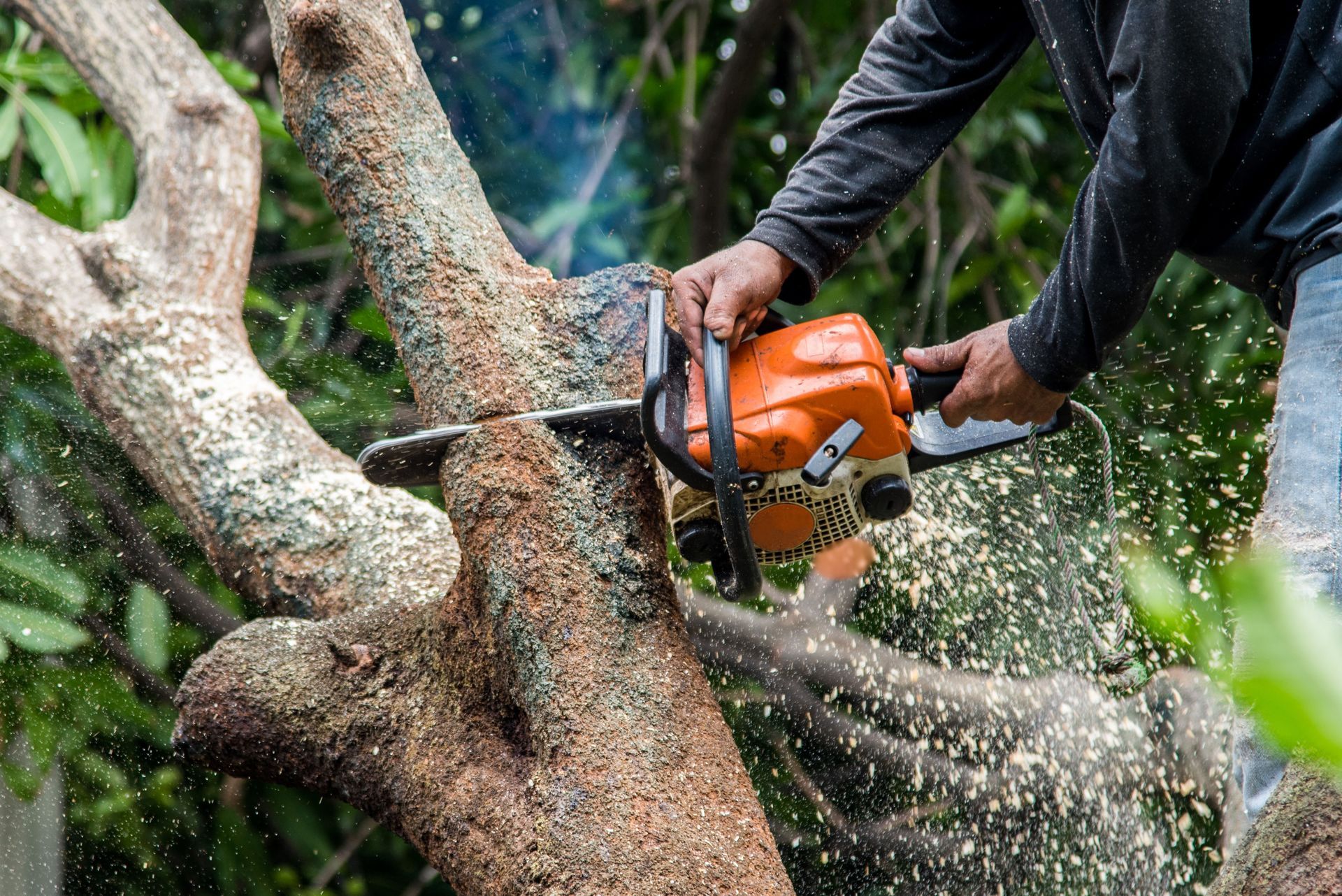
Regular tree trimming plays an essential role in sustaining tree health. By removing dead or diseased branches, trimming promotes better growth and reduces the risk of infection spreading to other parts. Proper trimming enhances air circulation and light penetration, facilitating a healthier tree structure. According to Precedence Research's 2025 Utility Vegetation Management data, physical tree trimming accounts for 35.8% of market activity, highlighting its critical role in utility management and compliance with safety requirements. This sector involvement underscores the importance of routine tree maintenance in maintaining tree vitality and safety standards.
Long-term Impact on Biodiversity
Healthy trees contribute significantly to biodiversity by providing habitat and food sources for various wildlife species. Tree trimming, when done properly, enhances biodiversity by allowing diverse plant life to flourish under the improved sunlight and air circulation. A balanced ecosystem, supported by healthy trees, encourages the presence of beneficial insects and bird species. Trees with dense canopies can stifle the growth of understory plants, hence strategic trimming helps maintain ecological diversity. Thus, regular maintenance of trees not only supports their health but also enriches the surrounding biodiversity.
Preventing Pest and Disease Infestations
Regularly trimmed trees are less susceptible to pest and disease infestations. Trimming removes potential infection sites and improves tree vigor, which is vital for natural resistance against diseases. Proper airflow through the canopy reduces humidity levels, decreasing the likelihood of fungal infections. By ensuring tree health through regular maintenance, the spread of pests can be effectively managed, protecting not only the tree itself but neighboring vegetation. Consequently, tree trimming is a proactive strategy in preserving the health of trees and nearby plant life.
Tree Trimming Techniques
Crown Thinning
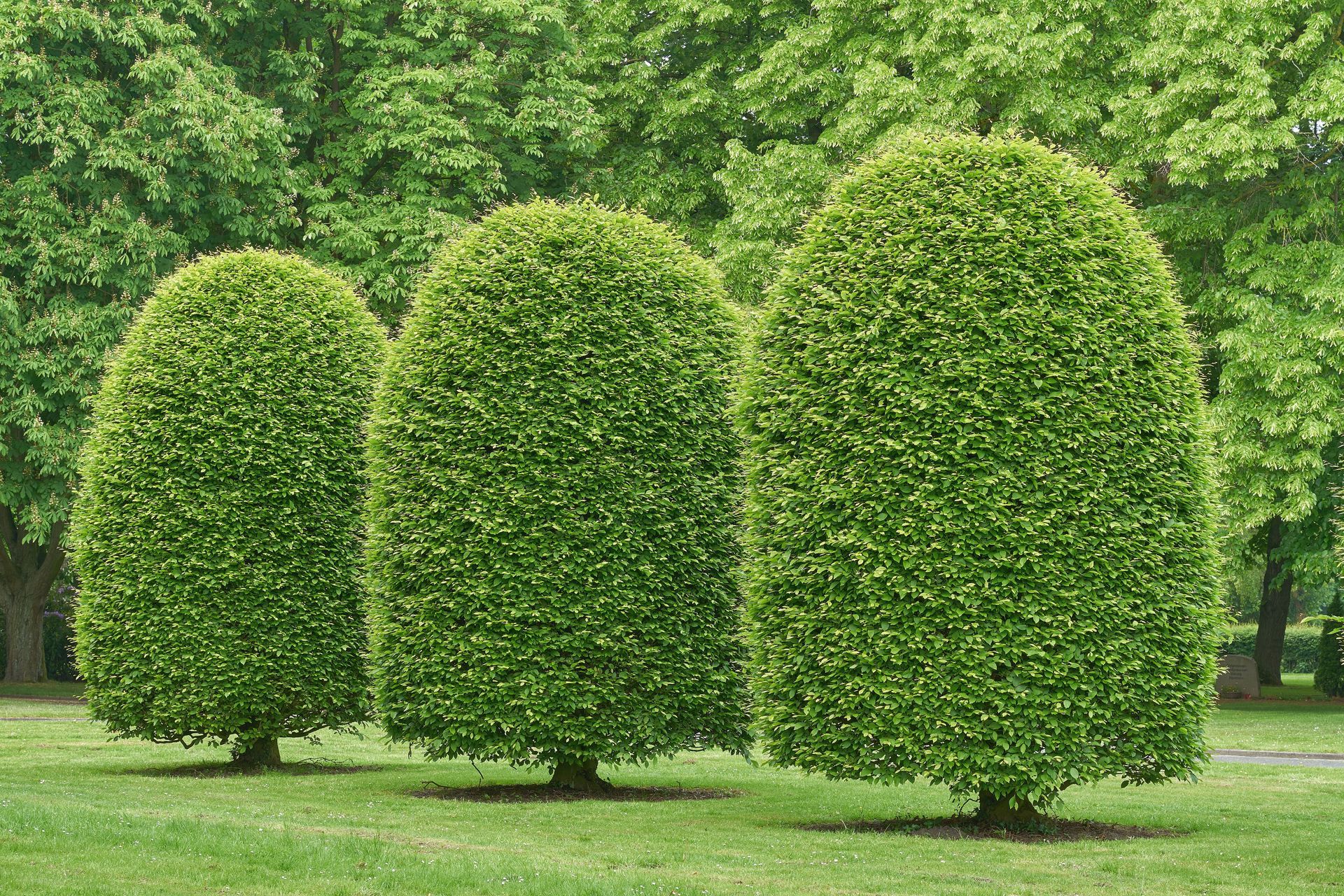
Crown thinning is a technique aimed at improving a tree's structure and promoting better light penetration. By selectively removing branches, this method enhances air circulation, reducing the risk of disease. It is particularly beneficial in promoting the health of the tree without altering its natural shape. This technique is ideal for large trees that pose safety risks due to dense foliage. Crown thinning helps in minimizing falling branches during storms, thus enhancing the tree's stability.
Crown Raising
Crown raising involves removing lower branches to provide clearance for pedestrians, vehicles, or structures. This technique is useful near roads, driveways, and sidewalks to prevent obstruction and ensure safety. By performing crown raising, conditions beneath the tree improve, allowing grass and other plants to receive adequate sunlight. This practice is especially important for maintaining safe utility lines, mitigating the risk of electrical outages caused by overgrown branches. Crown raising is typically performed in stages, ensuring the tree's overall health is not compromised.
Crown Reduction
Crown reduction reduces the overall size of a tree's canopy, crucial for managing trees that have outgrown their spaces. This technique involves pruning branches back to secondary branches, maintaining the tree's natural form. Crown reduction is often necessary for trees closer to structures, minimizing the risk of falling limbs during severe weather. The pruning process reduces weight on major limbs, enhancing the tree's structural integrity. Ensuring strategic crown reduction supports both tree health and optimizes space usage in urban settings.
Pollarding
Pollarding is a method of pruning trees back to their main stems to control size and shape. This age-old technique encourages the growth of dense foliage and is typically performed on street trees and those within confined spaces. While aesthetically pleasing, pollarding requires expertise to avoid disease entry through pruning cuts. Over time, pollarding creates a distinct framework that supports new foliage while preventing excessive tree height. Its regular implementation is crucial in maintaining the balance between aesthetics and tree health.
Directional Pruning
Directional pruning guides tree growth directionally to prevent interference with nearby structures or utility lines. This method focuses on selectively trimming branches that deviate toward unwanted directions. Directional pruning is necessary for maintaining clearances around homes, sidewalks, and power lines, thus ensuring public safety and utility management efficiency. Done correctly, it limits tree encroachment while promoting balanced growth. This pruning technique is integral for urban forestry management and preserving harmonious co-existence of trees within populated areas.
Enhancing Property Safety
Preventing Falling Branches
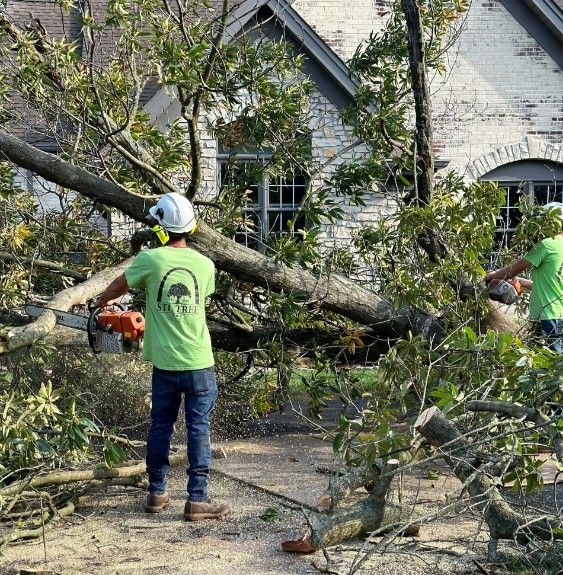
Falling branches pose significant safety hazards, especially in adverse weather conditions. Regular tree trimming mitigates this risk by removing dead or weakened branches that are prone to breakage. By reducing the likelihood of falling debris, tree trimming ensures the safety of people and property below. This proactive measure is particularly important in residential areas, children's play zones, and sites with pedestrian activity. Consistent maintenance translates to fewer emergency incidents caused by tree-related accidents.
Reducing Risk of Property Damage
Trees, while offering numerous benefits, can also pose threats to property when neglected. Overgrown branches may infringe on homes, roofs, and windows, causing significant structural damage. Regular tree trimming prevents potential harm by eliminating limbs that are too close to property structures. Moreover, trimming reduces the tree's wind resistance, lowering the likelihood of it being uprooted during storms. Maintaining proper tree distance protects property investments and minimizes costly repairs.
Improving Visibility and Clearance
Proper tree trimming enhances visibility and clearance, crucial for transportation safety. Overgrown branches near roadways obscure vision, increasing the risk of accidents. By maintaining trees at a safe distance, both pedestrians and drivers benefit from clearer sightlines. Similarly, clearance is vital in allowing unimpeded access for emergency vehicles and utility workers. Routine trimming plays a significant role in maintaining infrastructure and ensuring public safety, particularly in densely populated areas.
Ensuring Safe Utility Lines
Trees growing near power lines require careful management to prevent electrical outages and hazards. Tree branches in contact with utility lines can cause power interruptions and increase fire risks. According to Precedence Research’s 2025 Utility Vegetation Management data, physical tree trimming accounts for 35.8% of market activity, emphasizing its role in maintaining safety standards. Adhering to national guidelines, regular trimming assures safe distances from high-voltage lines. This practice not only ensures uninterrupted service but also enhances community safety.
In conclusion, tree trimming is a vital practice not only for maintaining the health and longevity of trees but also for ensuring the safety and aesthetic value of our properties. By understanding and implementing effective tree trimming techniques, property owners can enjoy numerous benefits while contributing positively to the environment. Proper tree maintenance encourages biodiversity, prevents damage, and supports a sustainable and visually appealing community. The practice further enhances ecological balance and property value, underscoring its multifaceted value. Investing in tree health is a responsible and beneficial decision for long-term landscape management. Be sure to reach out to STL Tree Services today for more information on our professional tree trimming!